AI and Machine Learning: Transforming the Future of Technology
Artificial Intelligence (AI) and Machine Learning (ML) are transforming industries by enabling smarter automation, data-driven decision-making, and innovative solutions. Explore how these technologies work, their real-world applications, key benefits, challenges, and what the future holds for businesses and individuals alike.
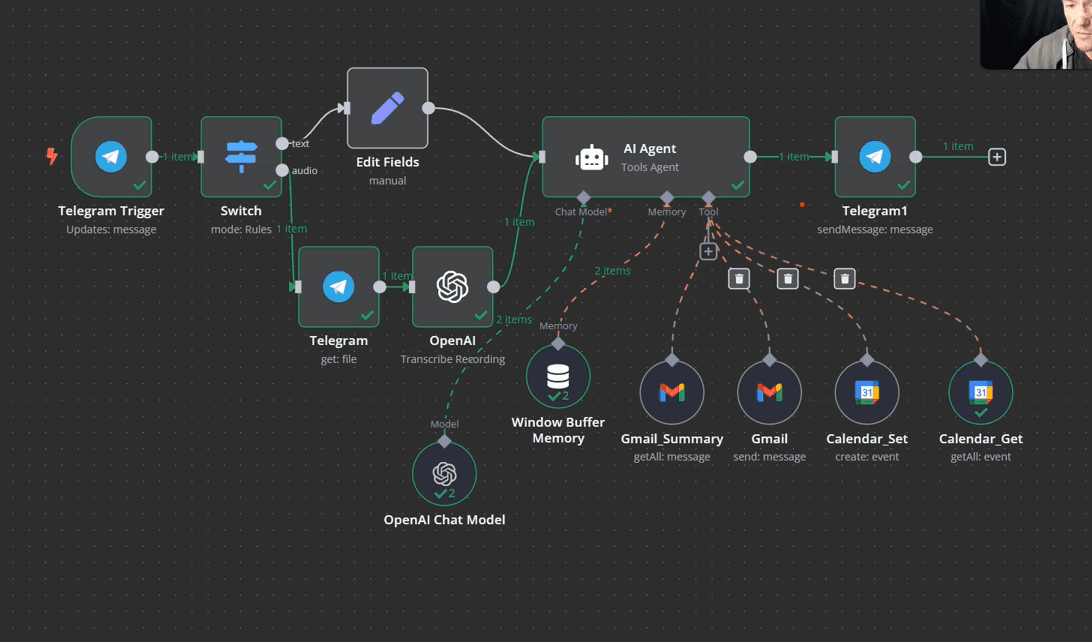
AI and Machine Learning: Transforming the Future of Technology
Artificial Intelligence (AI) and Machine Learning (ML) are reshaping the way people live, work, and interact with technology. From personalized recommendations on streaming platforms to self-driving cars and intelligent virtual assistants, AI has become an essential part of our daily lives. As businesses continue to embrace digital transformation, AI and machine learning are driving innovation across industries.
What Is Artificial Intelligence?
Artificial Intelligence refers to the ability of computer systems to perform tasks that typically require human intelligence. These tasks include problem-solving, decision-making, speech recognition, language translation, and image analysis. AI systems use data, algorithms, and computing power to learn from experience and improve their performance over time.
What Is Machine Learning?
Machine Learning is a branch of artificial intelligence that enables computers to learn from data without being explicitly programmed for every task. Instead of relying on fixed rules, machine learning models identify patterns, make predictions, and continuously improve as they process more information.
Some common types of machine learning include:
Benefits of AI and Machine Learning
Organizations worldwide are investing in AI because it delivers significant advantages, including:
These benefits make AI one of the fastest-growing technologies in the modern digital economy.
Real-World Applications of AI
Artificial intelligence is revolutionizing multiple industries.
Healthcare
AI helps doctors diagnose diseases earlier, analyze medical images, and recommend personalized treatment plans. Machine learning also accelerates drug discovery and medical research.
Finance
Banks use machine learning to detect fraud, assess credit risk, automate customer service, and improve investment strategies.
Retail
Retail companies leverage AI to recommend products, optimize inventory, forecast demand, and personalize shopping experiences.
Manufacturing
Smart factories use AI-powered predictive maintenance to reduce downtime, improve product quality, and optimize production processes.
Education
AI-powered learning platforms provide personalized educational experiences, automate grading, and help students learn more effectively.
AI and Deep Learning
Deep learning is an advanced subset of machine learning that uses artificial neural networks inspired by the human brain. Deep learning models excel at image recognition, speech processing, natural language understanding, and computer vision.
Popular AI applications like voice assistants, facial recognition systems, and large language models rely heavily on deep learning technologies.
Challenges of Artificial Intelligence
Despite its many benefits, AI presents several challenges:
Addressing these challenges requires responsible AI development, transparency, and effective governance.
The Future of AI and Machine Learning
The future of AI and machine learning looks incredibly promising. Advances in generative AI, robotics, edge computing, and intelligent automation will continue to transform industries worldwide. Businesses that invest in AI today will be better positioned to improve efficiency, enhance customer experiences, and remain competitive in the digital age.
As technology evolves, AI will become even more integrated into everyday life, creating new opportunities for innovation, economic growth, and scientific discovery.
Conclusion
Artificial Intelligence and Machine Learning are no longer emerging technologies—they are fundamental drivers of digital transformation. Whether in healthcare, finance, retail, manufacturing, or education, AI is helping organizations solve complex problems, automate repetitive tasks, and unlock valuable insights from data.
As adoption continues to grow, understanding AI and machine learning will become increasingly important for businesses, professionals, and students alike. Those who embrace these technologies today will be better prepared for the opportunities and challenges of tomorrow.